
Skip to content
Health Check 360°

Iron Deficiency: The Most Common Nutrient Deficiency – Symptoms, Lab Values, Causes

Updated: 08/13/2026·8 min read·Medically reviewed
Daniel Lindenthal
Daniel LindenthalPhysician · Private practice Stuttgart
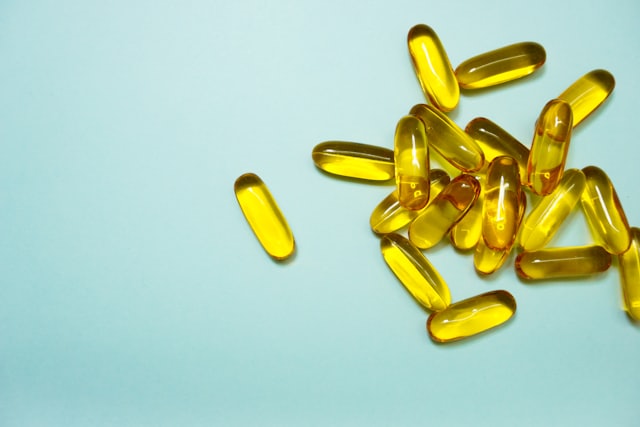
Close-up of an iron supplement – a proven iron deficiency can be corrected in a targeted way

Always tired, pale, losing hair, and stairs suddenly feel like a mountain climb? Iron deficiency is the most common nutrient deficiency in the world – and one of the most rewarding diagnoses: clearly measurable, very treatable. But careful: popping iron "just in case" is not a good idea. Because the most important question isn't "How do I refill my iron stores?" – it's "Why are they empty?"

Key takeaways

  • Iron is your body's oxygen carrier – when it's missing, you literally run out of air.
  • Typical signs: fatigue, pale skin, shortness of breath with exertion, hair loss, brittle nails, trouble concentrating.
  • The most important lab value is ferritin (stored iron) – together with a complete blood count.
  • The cause is what matters: from menstruation and diet to unnoticed blood loss in the digestive tract.
  • Taking iron without a proven deficiency can do harm – measure first, then treat.

How to recognize iron deficiency

The deficiency develops slowly: first your iron stores empty out unnoticed, then your hemoglobin (the red pigment in your blood) drops – and your body noticeably switches into power-saving mode. Classic signs are ongoing fatigue and a drop in performance, pale skin and mucous membranes, shortness of breath and a pounding heart even with moderate exertion, trouble concentrating, and feeling cold. Then there are the "small" clues that hardly anyone connects with iron: more hair loss, brittle nails, cracked corners of the mouth, a burning tongue – and in some people, a strong urge to move their legs (restless legs).

Which lab values really count

The plain "iron in your blood" value tells you little, because it swings a lot. What matters is ferritin – the storage value – together with a complete blood count (hemoglobin). Important when reading the results: ferritin rises artificially with inflammation and can then hide a deficiency; here, transferrin saturation helps as an extra value. And: low iron stores can already cause symptoms before true anemia develops.

The key question: where is the iron going?

  • Increased loss: heavy periods are the most common cause in women. For men and women after menopause, the rule is: iron deficiency is always a reason to look for unnoticed blood loss in the digestive tract.
  • Too little intake: vegetarian and vegan diets provide iron in a form the body absorbs less well – doable, but it takes planning.
  • Poor absorption: chronic digestive diseases, celiac disease, stomach surgery and years of acid blockers slow down absorption.
  • Increased need: pregnancy, breastfeeding, growth and intense endurance sports.
When you need to act right away

Iron deficiency itself is not an emergency – but its cause can be. See a doctor soon if you have:

  • Black stools or visible blood in your stool
  • Iron deficiency as a man or after menopause – the digestive tract needs to be examined
  • Marked paleness with shortness of breath, a racing heart or chest pressure
  • Unintended weight loss or ongoing abdominal symptoms

Finding the cause is the most important part of treatment:

See a doctor soon


Suspect iron deficiency?

We make sense of your lab values, find the cause and guide your treatment – in central Stuttgart.

Book an appointment

How we get to the bottom of it at our practice

  • A conversation about symptoms and risks: diet, periods, digestive complaints, medications, sports – the trail to the cause starts with your history.
  • Physical exam: paleness, heart and circulation, abdomen – plus a resting EKG if you have a pounding heart or shortness of breath.
  • Making sense of your lab values: bring your ferritin, complete blood count and, if available, transferrin saturation – we translate the numbers into plain language and tell you honestly which values are still missing and where you can have them tested.
  • Finding the cause and a treatment plan: from dietary advice to the right iron supplement to coordinating an upper endoscopy and colonoscopy if unnoticed blood loss needs to be ruled out.
Fruit rich in vitamin C with a meal clearly improves iron absorption

Treatment: targeted, not on a hunch

A proven deficiency is usually treated with iron tablets – best taken on an empty stomach or with juice that contains vitamin C, while coffee, tea and dairy products slow down absorption. If you don't tolerate the tablets, you can switch to taking them every other day or to gentler formulations; for absorption problems or a very severe deficiency, there's iron infusion treatment at a practice that offers it, which we coordinate for you. Important: iron stores fill up slowly – treatment usually runs for about three months, followed by a check of your values. And without a proven deficiency: hands off iron supplements – excess iron puts a strain on your body.

"With iron deficiency, the tablet is the easy part. The art is finding the hole in the tank."

Daniel Lindenthal, Physician

Common questions about iron deficiency

What symptoms does iron deficiency cause?
Typical signs are ongoing fatigue, pale skin, shortness of breath and a pounding heart with exertion, trouble concentrating, and feeling cold. Hair loss, brittle nails, cracked corners of the mouth and a burning tongue are also common – and in some people, restless legs.
Which lab value shows iron deficiency?
The most important value is ferritin (stored iron) together with a complete blood count. Since ferritin rises artificially with inflammation, transferrin saturation helps when in doubt. The plain serum iron value alone tells you little.
Can I just take iron as a precaution?
We advise against it: without a proven deficiency, iron brings no benefit but can cause digestive problems and put a strain on your body. On top of that, taking it blindly may mask an important cause like unnoticed blood loss. Measure first, then treat.
How do I take iron tablets correctly?
Best on an empty stomach or with juice that contains vitamin C; keep about two hours between the tablet and coffee, tea, dairy products and some medications. If you don't tolerate it well, taking it every other day often helps. Treatment usually takes around three months – followed by a check of your values.
Where can I get iron deficiency checked in Stuttgart?
At Privatpraxis Lindenthal on Rotebühlplatz in central Stuttgart, we explain the lab values you bring along in plain language, search for the cause in a structured way, and guide your treatment – including coordination of an endoscopy, colonoscopy or iron infusion if needed. Same-day appointments are available.

Sources

  1. German Society of Hematology and Medical Oncology (DGHO): Onkopedia guideline on iron deficiency (in German). onkopedia.com
  2. Institute for Quality and Efficiency in Health Care (IQWiG): gesundheitsinformation.de – Iron deficiency (in German). gesundheitsinformation.de
  3. German Nutrition Society (DGE): Reference values for iron (in German). dge.de
This article is for general information only. It does not replace personal medical advice, diagnosis or treatment. If you have symptoms, please contact the practice directly.
Daniel Lindenthal
Daniel Lindenthal

Physician and founder of Privatpraxis Lindenthal in Stuttgart. His standard: fair, transparent care – and talking with you as an equal.

Book an appointment

Ready for the next step?

Book your appointment now – honest advice and enough time for your questions.

Book an appointment