

You feel healthy – but when did someone last take a thorough look at your blood pressure, your heart and your body? Many of the most common conditions, such as high blood pressure or heart and circulation problems, develop over years without any warning. That’s where the health check-up comes in: a structured stock-take that makes risks visible early – long before symptoms appear.
Key takeaways
- The check-up is a structured preventive exam for people without current symptoms.
- Our core parts: a detailed conversation, a thorough head-to-toe physical exam, blood pressure measurement and a resting EKG.
- The goal is to catch silent risk factors early – above all high blood pressure, which causes no symptoms for years.
- We don’t currently offer blood draws – just bring any lab results you have, and we’ll explain them in plain language.
- Billed transparently as a private service under the GOÄ fee schedule, with a clear cost structure.
What is a health check-up?
A health check-up is a planned preventive exam for people who feel healthy. The point isn’t to chase a specific complaint, but to take a systematic look at where you stand right now: How are your heart and circulation doing? How does your heart beat, how do your lungs sound, what’s your blood pressure? And are there risk factors you can still change with simple steps?
The value lies in early detection. High blood pressure in particular causes no symptoms at all for years – but during that time it’s already damaging your blood vessels, heart and kidneys. If you know your numbers and your risks, you can take action while it’s still easy. That’s exactly why a regular look pays off – especially when you feel fit.
What gets checked during the check-up?
A good check-up is, above all, thorough and personal. In our Health Check 360° in central Stuttgart, we combine several parts into one complete picture – with enough time for every single step:
- Detailed medical history: past illnesses, medications, family risks, lifestyle, sleep, stress – this conversation is the foundation of good preventive care, and we deliberately give it plenty of room.
- Head-to-toe physical exam: listening to your heart and lungs, feeling your abdomen, checking your thyroid, skin and lymph nodes, plus your pulse and blood vessels.
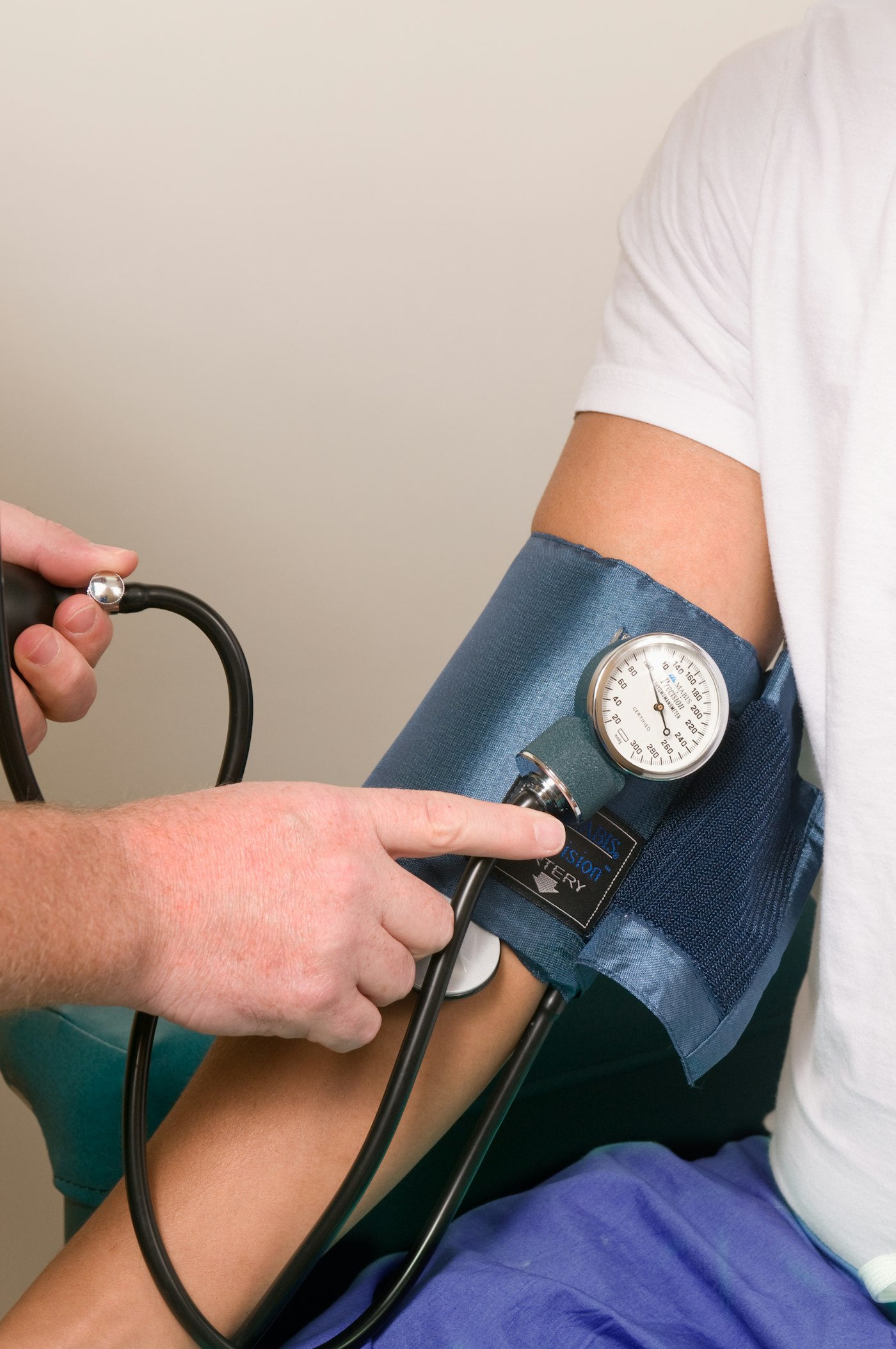
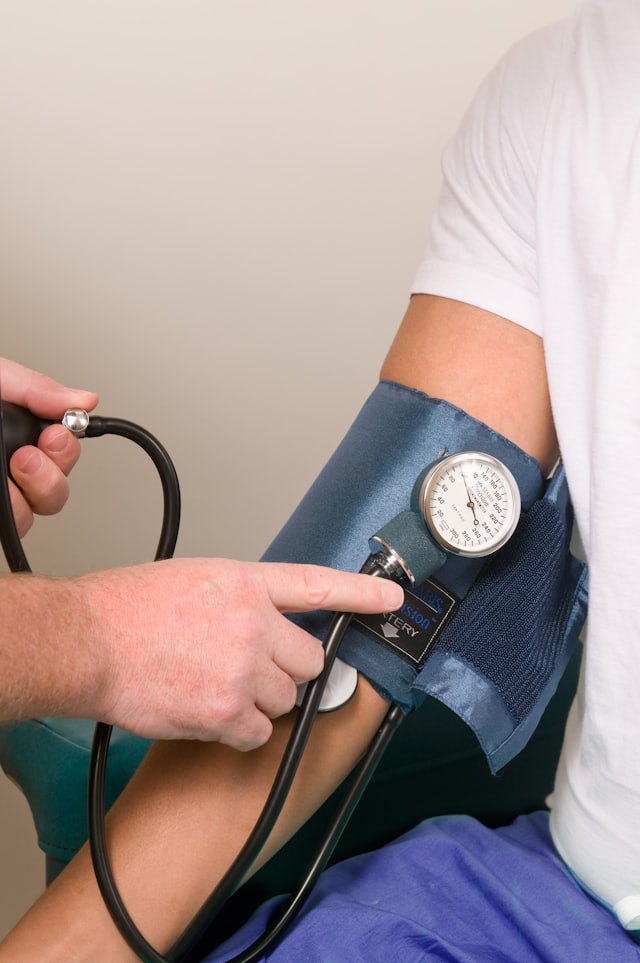
- Blood pressure measurement: standardized, at rest, on both arms if needed – the single most important number for your heart and circulation risk.
- Resting EKG: recording your heart’s electrical activity gives clues to rhythm problems and other abnormalities – painless and done in a few minutes.
- Review of your lab results: just bring any blood test results you have – we translate the columns of numbers into an overall assessment you can understand.
- Results discussion with a clear roadmap: you find out right away what’s normal, what we should keep an eye on, and which steps make sense next.
To be honest: we don’t currently draw blood at our practice. Instead of selling you a lab package, we’d rather tell you honestly which blood tests make sense in your situation and where you can have them done – and then go over the results together with you.
Who should get a check-up – and how often?
In general, every adult benefits from a regular health review. A check-up is especially worthwhile if any of the following applies to you:
- From middle age on: with the years, the risk of high blood pressure and heart and circulation disease rises clearly.
- Family history: heart attack, stroke, diabetes or high blood pressure in close relatives.
- Everyday risk factors: smoking, excess weight, little exercise, constant stress or irregular sleep.
- No exam in a long time: if your last thorough exam was years ago – or you simply can’t remember.
- Before a fresh start: for example before starting an intense training program or making a major life change.
As a rule of thumb: without special risk factors, about every one to three years; more often if you have existing risks or earlier abnormal results. We’ll settle on the right interval for you together.