

Skip to content
Health Check 360°

Trouble Sleeping: Why Sleep Won't Come – and What Actually Helps

Updated: 08/13/2026·8 min read·Medically reviewed
Daniel Lindenthal
Daniel LindenthalPhysician · Private practice Stuttgart
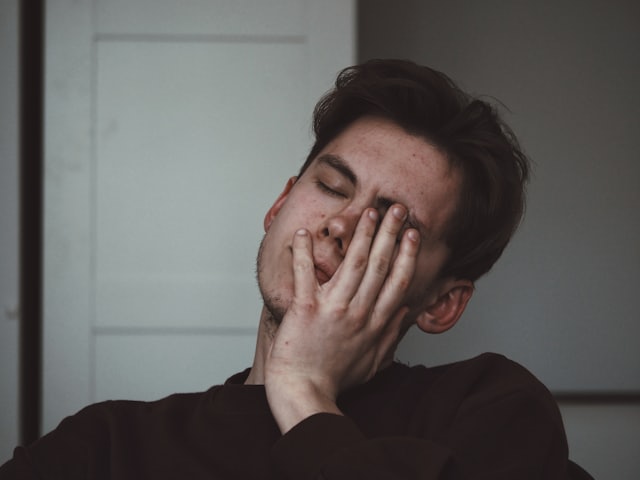
Woman lying awake in bed – trouble falling or staying asleep is one of the most common complaints of all

It's 3 a.m., your thoughts are running laps, and the alarm clock keeps creeping closer – if you know the feeling, you know that few things wear you down like missing sleep. About one in three adults sleeps badly at times, and for one in ten it has become a chronic sleep problem. The good news: sleep can be trained – and the most effective treatment isn't a pill, it's behavior. Here's what's proven to work.

Key takeaways

  • The occasional bad night is normal – it needs treatment from about three bad nights a week for a month.
  • The most common drivers: worrying and stress, irregular hours, screens, caffeine, alcohol – and the fear of not sleeping itself.
  • Physical causes play a part, too: thyroid, sleep apnea, restless legs, pain, medications.
  • The most effective treatment is cognitive behavioral therapy for insomnia – it works better than any sleeping pill.
  • Sleep medications are short-term helpers for exceptional situations, not a permanent solution.

Why sleep slips away

The most common form is learned insomnia: a stressful stretch steals a few nights – and then the fear of lying awake takes over. The bed becomes a battleground, and your body switches to high alert there instead of winding down. Add the usual suspects of modern life: late screen time, irregular wake-up times, afternoon caffeine, and the evening drink that makes falling asleep easier but reliably wrecks the second half of the night.

It's important to look at physical contributors, too: an overactive thyroid makes you restless inside, sleep apnea chops up your sleep without you noticing, restless legs keep you from falling asleep, and quite a few medications – from cortisone to some blood pressure drugs – disturb the night. That's exactly why stubborn sleep problems deserve a doctor's assessment.

What's proven to work

  • A fixed wake-up time – every day: the strongest anchor for your internal clock, weekends included. Your bedtime then sorts itself out.
  • Bed is for sleep only: no TV, no scrolling, no work – and if you're awake for more than 20 minutes, get up and come back only when you're sleepy. That's how your brain relearns: bed means sleep.
  • Build up sleep pressure: no naps after 3 p.m., exercise outdoors during the day – evening tiredness is earned tiredness.
  • Caffeine and alcohol rules: coffee after 2 p.m. and the "nightcap" are the two most underrated sleep thieves.
  • Move your worry time earlier: spend ten minutes in the early evening writing down your worries – what's on paper doesn't have to circle in your head at night.
  • Screen curfew: dim the lights and put devices away an hour before bed.

The most effective treatment: for chronic insomnia, cognitive behavioral therapy for insomnia (CBT-I) is the method of choice – in studies, it works better and lasts longer than sleep medications, and it's also available as a structured online program. We'll help you figure out which path fits you.

When you need to act right away

Trouble sleeping is exhausting but rarely dangerous. Talk to a doctor soon if you have:

  • Loud snoring with pauses in breathing that someone has noticed, or severe daytime sleepiness with microsleeps
  • Trouble sleeping together with a racing heart, weight loss or inner restlessness (thyroid?)
  • Ongoing low mood, hopelessness or burnout-type depression
  • Regular use of sleeping pills for more than two weeks

These combinations deserve a close look:

Talk to a doctor soon


Sleepless nights?

We look for the cause of your sleep problem and show you the way back to restful nights.

Book an appointment

How we get to the bottom of it at our practice

  • A detailed sleep history: falling asleep, staying asleep, snoring, how you feel during the day, your evening routine, medications, stress – the pattern often shows up in the conversation alone.
  • Physical exam: thyroid, heart, blood pressure and a resting EKG – to spot or rule out physical sleep thieves.
  • Making sense of lab values you bring along: we translate thyroid and other lab values into plain language and tell you honestly which test would still be worthwhile.
  • A concrete treatment plan: from structured sleep hygiene to CBT-I programs to coordinating sleep apnea testing if pauses in breathing are a possibility.
Restful sleep can be trained – the way there is through behavior, not pills

Honest words about sleeping pills

Classic sleeping pills (benzodiazepines and Z-drugs) work – but they're meant for short-term use in exceptional situations. After about two weeks, tolerance sets in, sleep becomes shallower, and stopping comes back to bite you with rebound insomnia. Herbal helpers like valerian are well tolerated, but their effect is modest. Melatonin can help with a shifted sleep rhythm and in older age, but it doesn't replace changing your habits. Our line is honest: first the cause, then the behavior – medications only when targeted and for a limited time.

"You can't force sleep – but you can open the door wide enough for it to walk in on its own."

Daniel Lindenthal, Physician

Common questions about trouble sleeping

What helps quickly when I can't fall asleep?
The most reliable quick fixes: a fixed wake-up time, use your bed only for sleeping, get up if you've been lying awake for a while, cut caffeine after 2 p.m. and alcohol in the evening, and put screens away an hour before bed. Relaxation techniques like 4-7-8 breathing help on top.
When does trouble sleeping need treatment?
When you sleep badly three or more nights a week for at least a month and it noticeably affects your days. That's also when physical causes like the thyroid, sleep apnea or restless legs should be looked for.
Are sleeping pills dangerous?
Used short-term, they're a legitimate tool – but with regular use for about two weeks or more, tolerance, loss of effect and dependence become a risk. The most lasting treatment for chronic insomnia is cognitive behavioral therapy for insomnia (CBT-I), which beats every pill in studies.
Which medical conditions can be behind trouble sleeping?
Common physical contributors are an overactive thyroid, sleep apnea, restless legs syndrome, chronic pain, reflux and certain medications. Depression and anxiety disorders also often show up in your sleep first – which is why a structured exam is worth it.
Where can I get trouble sleeping checked in Stuttgart?
At Privatpraxis Lindenthal on Rotebühlplatz in central Stuttgart: a detailed sleep history, a physical exam with a resting EKG, a plain-language explanation of your lab values, and a concrete plan – including coordination of sleep apnea testing if pauses in breathing are suspected. Same-day appointments are available.

Sources

  1. German Sleep Society (DGSM): S3 guideline on insomnia (in German). dgsm.de
  2. Institute for Quality and Efficiency in Health Care (IQWiG): gesundheitsinformation.de – Sleep problems (in German). gesundheitsinformation.de
  3. Federal Institute for Drugs and Medical Devices (BfArM): Guidance on sleep medications (in German). bfarm.de
This article is for general information only. It does not replace personal medical advice, diagnosis or treatment. If you have symptoms, please contact the practice directly.
Daniel Lindenthal
Daniel Lindenthal

Physician and founder of Privatpraxis Lindenthal in Stuttgart. His standard: fair, transparent care – and talking with you as an equal.

Book an appointment

Ready for the next step?

Book your appointment now – honest advice and enough time for your questions.

Book an appointment