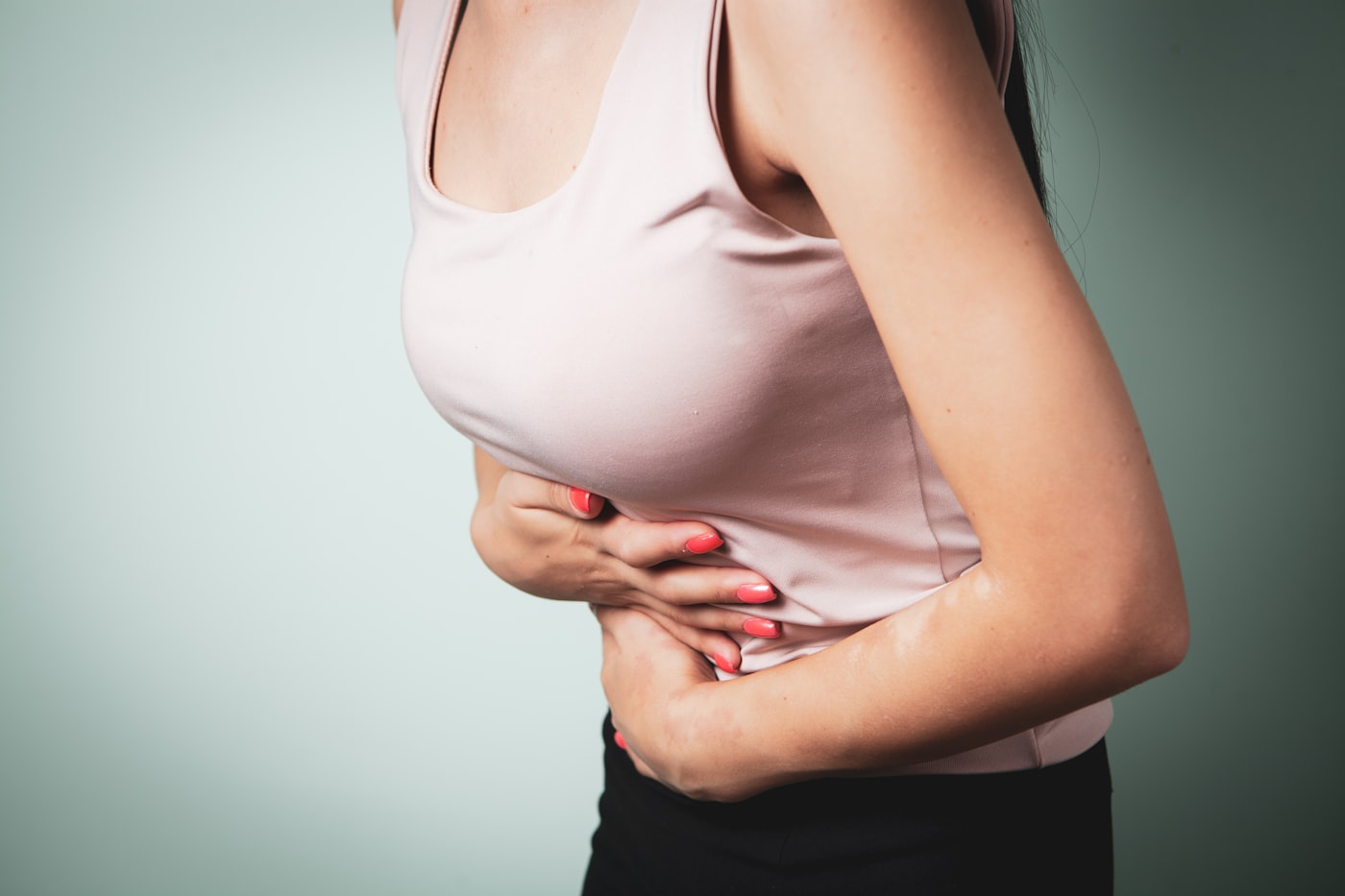


It presses, burns or cramps above your belly button – and the guessing starts right away: stomach? Gallbladder? Or something else entirely? The upper abdomen is actually a kind of map: where the pain sits often tells you which organ is speaking up. Here you'll learn to read that map – and find out which complaints can wait a bit and which belong in a doctor's hands right away.
Key takeaways
- Pain in the center usually points to the stomach and esophagus – from gastritis to reflux.
- The right side is liver and gallbladder territory: cramping pain after fatty food suggests gallstones.
- On the left, it's less often the stomach, pancreas or spleen.
- The heart and lungs can also send pain into the upper abdomen – especially in women and people with diabetes.
- Sudden extreme pain, fever with yellowing of the skin, or blood in your vomit are emergencies.
Center: the stomach lane
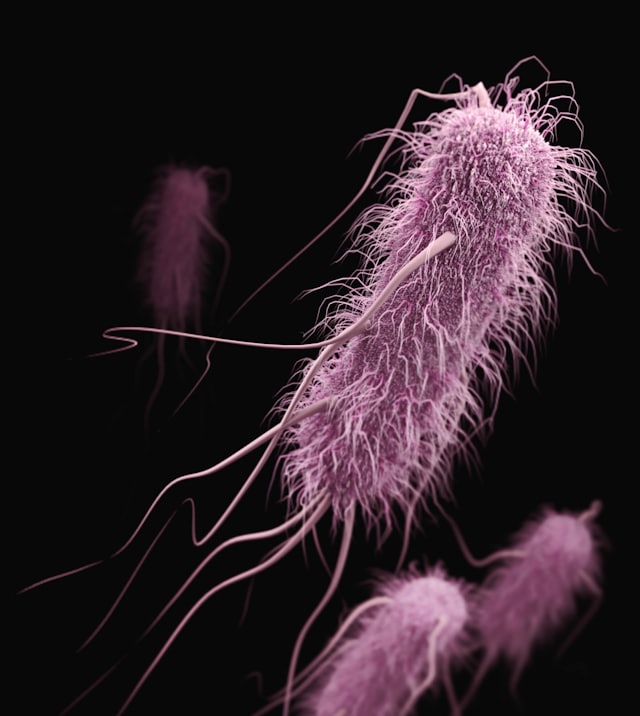
Pain between the rib cages is the territory of the stomach and duodenum (the first part of the small intestine). Burning and pain on an empty stomach point to an irritated stomach lining or an ulcer; pressure and a feeling of fullness after eating point to gastritis or a sensitive stomach (functional dyspepsia); burning that rises upward points to reflux. Common companions: pain relievers (NSAIDs), stress, alcohol – and the stomach bacterium Helicobacter pylori.
Right: liver and gallbladder
Intense pain in the right upper abdomen that comes in waves, spreads to your shoulder or back, and likes to show up after a fatty meal is the classic picture of a gallbladder attack (biliary colic). A constant dull pressure can come from an enlarged liver – the liver itself hardly hurts, but its outer capsule does. If fever, chills or yellowing of the skin and eyes join in, it becomes urgent.
Left and belt-shaped: the rarer suspects
Pain in the left upper abdomen can come from the stomach. Constant, belt-shaped pain that wraps around into your back and comes with nausea is the warning picture of an inflamed pancreas (pancreatitis) – typically after heavy drinking or with gallstones. And last but not least: a heart attack can disguise itself as "stomach pressure," especially in women, older people and people with diabetes.
Most upper abdominal pain is harmless. Call emergency services right away if you have:
- Sudden, extreme pain with a hard, rigid belly
- Upper abdominal pain with chest tightness, shortness of breath or cold sweat
- Vomiting blood, or black stools
- Cramping pain with high fever, chills or yellowing of the skin
These combinations can't wait:
Call 112 (emergency)