

Skip to content
Health Check 360°

Vitamin D Deficiency: What's Actually True – Symptoms, Levels, Sensible Testing

Updated: 08/13/2026·7 min read·Medically reviewed
Daniel Lindenthal
Daniel LindenthalPhysician · Private practice Stuttgart
Sunlight filtering softly through green treetops – sun on your skin is the most important source of vitamin D

Hardly any vitamin gets as much hype – or sparks as much debate. Between “miracle cure for everything” and “totally overrated,” the sober truth about vitamin D sits in the middle: a real deficiency is genuinely common in Germany, especially in winter – but not every low number needs treatment, and more is definitely not better. Here's the honest picture: who should get tested, what the numbers mean, and when taking vitamin D is really worth it.

Key takeaways

  • Your skin makes 80–90% of your vitamin D from sunlight – diet plays only a minor role.
  • From October to March, the sun in Germany isn't strong enough for your body to make its own – you live off your summer reserves.
  • A marked deficiency can contribute to bone and muscle pain, muscle weakness and more frequent infections.
  • General screening isn't recommended – testing makes sense for people at risk and with matching symptoms.
  • If you take it: dose it deliberately rather than experimenting with high doses – an overdose can harm you too.

What vitamin D can do – and what it can't

What's well established is its central role for bones and muscles: vitamin D regulates your calcium balance, and a marked deficiency leads to softening of the bones, muscle weakness, and a higher risk of falls and fractures in older age. Your immune system is involved, too. For many of the other promises – from preventing cancer to preventing depression by taking high doses when your level is already normal – the research is sobering. The honest formula: correcting a deficiency is worthwhile; pushing a normal level higher does nothing.

Possible signs of a marked deficiency

  • Bone and muscle pain: often vague, typically in the back, pelvis and legs.
  • Muscle weakness: climbing stairs feels hard, getting up from a chair feels unsteady – an important sign, especially in older people.
  • More frequent infections: repeated respiratory infections can be linked to very low levels.
  • Fatigue and low mood in winter: possible, but nonspecific – many causes compete here, from lack of daylight to your thyroid.

Who should get tested?

  • People who rarely get any sun: mostly indoors, night shifts, clothing that covers the skin.
  • Older people: aging skin makes far less vitamin D – while the risk of falls goes up.
  • Darker skin types at our latitude: more pigment means slower production in the skin.
  • People with chronic conditions: osteoporosis, chronic bowel, liver or kidney disease, and certain medications (e.g. cortisone, anti-seizure drugs).

Your numbers, briefly explained: The lab measures 25-OH vitamin D. Levels of 20 ng/ml (50 nmol/l) and above are usually considered sufficient; below that is the gray zone, and well below it is a true deficiency. Important: a slightly low winter level with no symptoms isn't a disease – and levels above 50–60 ng/ml bring no extra benefit, but can do harm.

Not sure about your vitamin D level?

We give you an honest read on your number and advise whether – and how – taking vitamin D makes sense. In central Stuttgart.

Book an appointment

How we approach it in our practice

  • A conversation about symptoms and risks: sun exposure, diet, existing conditions, medications – this tells us whether testing makes sense at all.
  • Physical exam: muscle strength, the way you walk and tenderness to pressure point to a relevant deficiency.
  • Making sense of your numbers: bring any lab results you have – we translate them into plain language and tell you honestly whether a test or a follow-up is needed and where you can get it done.
  • A specific dosing recommendation: if taking vitamin D makes sense, you get a clear recommendation tailored to you – instead of high-dose experiments from the internet.
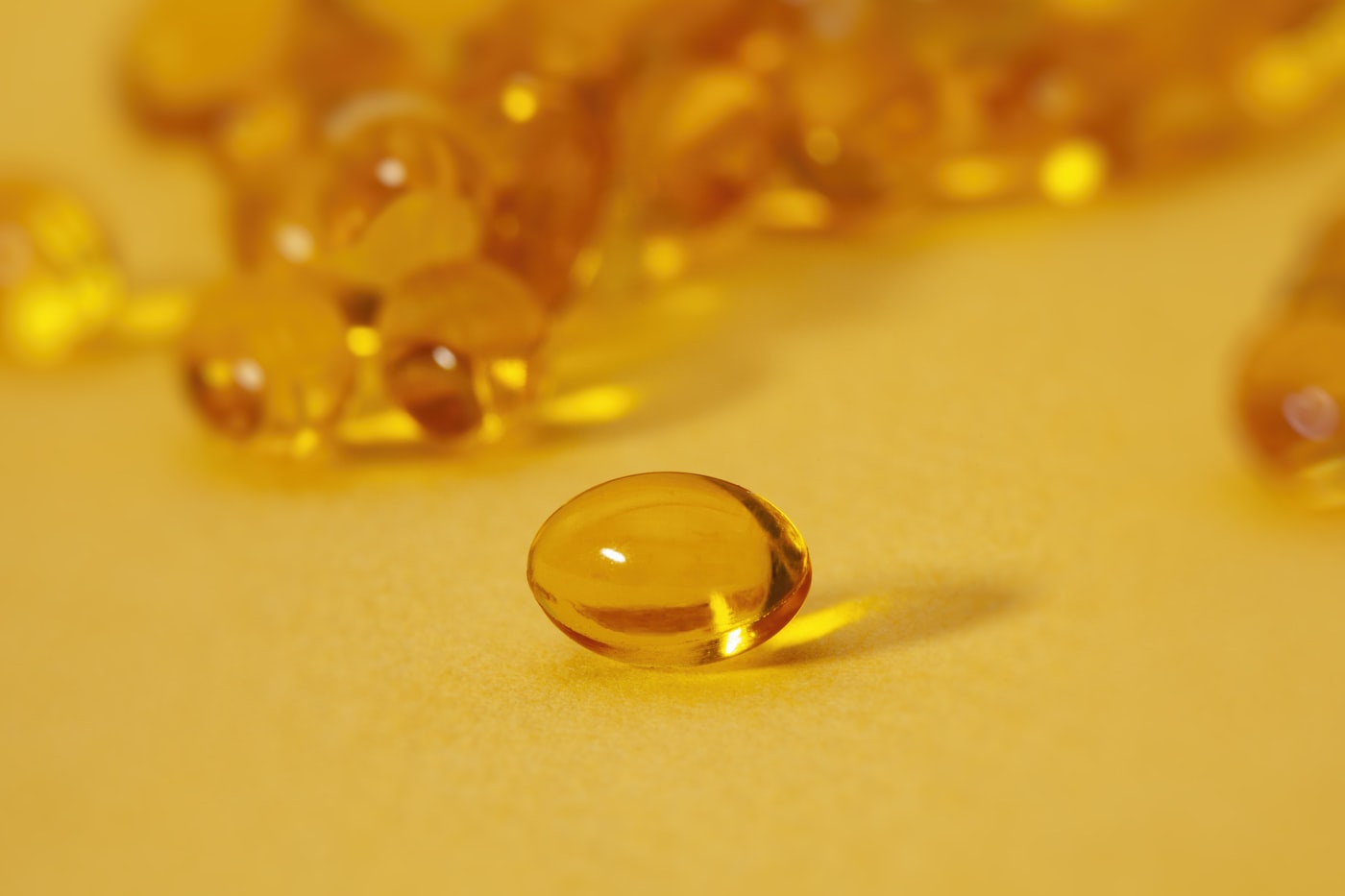
Supplements make sense when sun is lacking or a deficiency is confirmed – at a reasonable dose

Sun, diet, supplements: the right order

Sunlight remains the most natural source: in the summer half of the year, depending on your skin type, 10 to 20 minutes of sun on your face, hands and arms several times a week is enough – without getting sunburned, of course. Diet (oily sea fish, eggs, mushrooms) contributes only a small share. Supplements make sense when you can't get enough sun, a deficiency has been confirmed or there's a clear risk – but then at a sensible daily dose. We advise against do-it-yourself high-dose “boosters”: vitamin D is fat-soluble and builds up in your body, and an overdose can raise your calcium level to dangerous heights.

When to act right away

A vitamin D deficiency isn't an emergency. The real caution is around overdosing – please get medical advice soon if:

  • You've been taking very high doses for a long time without medical supervision
  • You have nausea, confusion, intense thirst or frequent urination while taking high doses
  • You have unexplained bone pain or muscle weakness despite taking vitamin D

With vitamin D, more is not better:

See a doctor soon

“Vitamin D is neither a miracle cure nor a myth – it's a building block. And building blocks work best where they're missing.”

Daniel Lindenthal, Physician

Common questions about vitamin D deficiency

What are the symptoms of a vitamin D deficiency?
A marked deficiency can cause vague bone and muscle pain, muscle weakness (for example when climbing stairs) and more frequent infections. Fatigue and the winter blues are possible but nonspecific – other causes such as your thyroid should be considered as well.
Who should have their vitamin D level tested?
General screening isn't recommended. Testing makes sense for people at risk: little sun exposure, older age, darker skin types, osteoporosis, chronic bowel, liver or kidney disease, and certain long-term medications – and when the symptoms fit.
What is a normal vitamin D level?
The lab measures 25-OH vitamin D. Levels of about 20 ng/ml (50 nmol/l) and above are usually considered sufficient for bone health; clearly lower levels point to a deficiency that needs treatment. Levels above 50–60 ng/ml bring no extra benefit.
How much vitamin D should I take?
That depends on your starting level and your risk. Typical maintenance doses are in the range of 800–2,000 IU per day; higher doses belong under medical supervision. We advise against self-prescribed high-dose courses – vitamin D builds up in your body, and an overdose can raise your calcium level to dangerous heights.
Where can I get my vitamin D status assessed in Stuttgart?
At Privatpraxis Lindenthal on Rotebühlplatz in central Stuttgart, we talk honestly about whether testing makes sense for you, explain the results you bring along in plain language, and give you a clear, individual dosing recommendation. Same-day appointments are usually available.

Sources

  1. Robert Koch Institute: answers to frequently asked questions about vitamin D. rki.de
  2. German Nutrition Society (DGE): reference values for vitamin D. dge.de
  3. Institute for Quality and Efficiency in Health Care (IQWiG): gesundheitsinformation.de – vitamin D deficiency. gesundheitsinformation.de
This article is for general information only. It does not replace individual medical advice, diagnosis or treatment. If you have symptoms, please contact the practice directly.
Daniel Lindenthal
Daniel Lindenthal

Physician and founder of Privatpraxis Lindenthal in Stuttgart. His standard: fair, transparent care that treats you as a partner.

Book an appointment

Ready for the next step?

Book your appointment now – honest advice and enough time for your questions.

Book an appointment