Skip to content
Heart & Circulation

High Blood Pressure Symptoms: Warning Signs and What to Do

Updated: 08/13/2026·9 min read·Medically reviewed
Daniel Lindenthal
Daniel LindenthalPhysician · Private practice Stuttgart
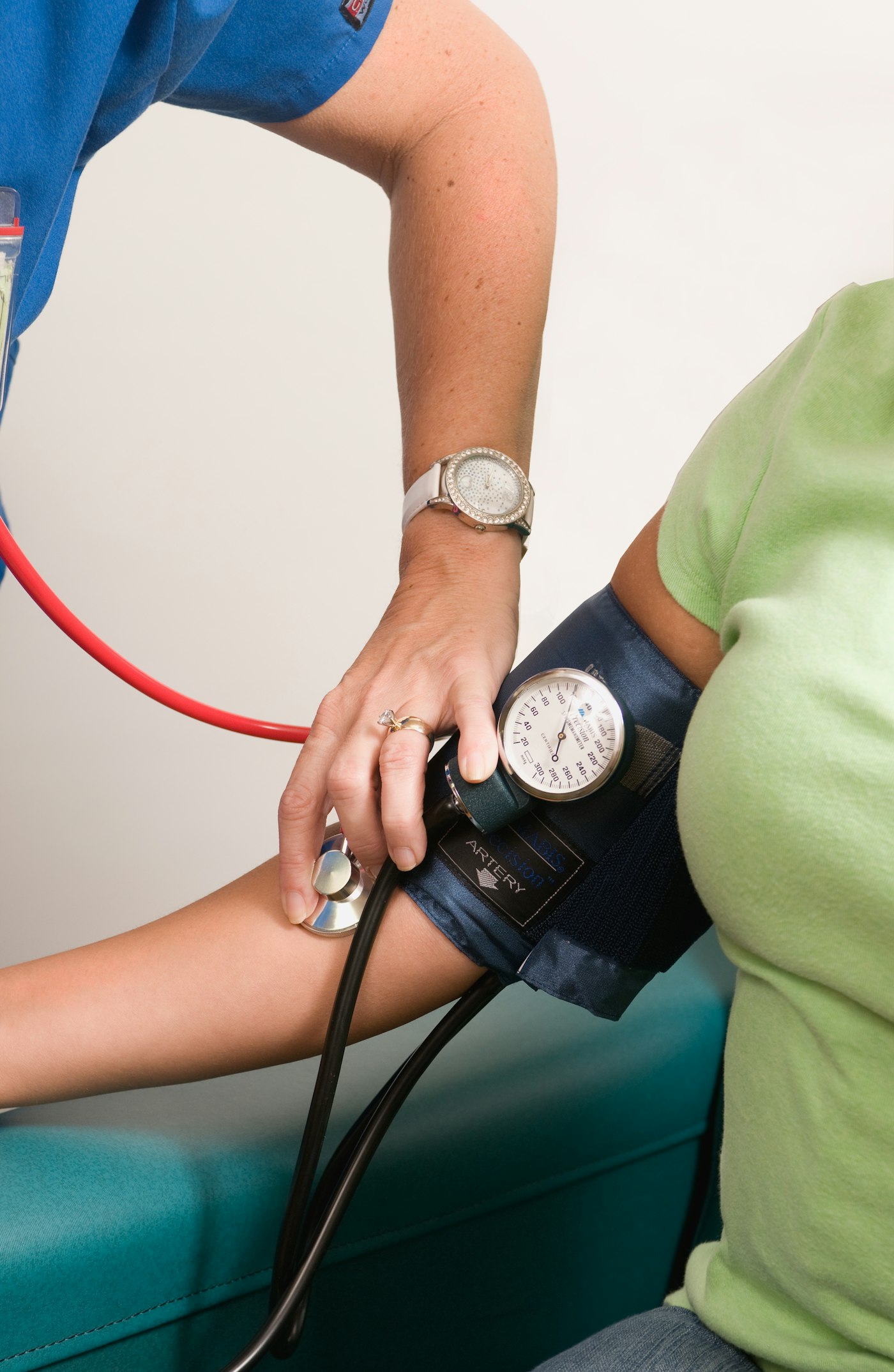
Doctor measuring blood pressure on the upper arm with a cuff and stethoscope

You measured at home and the top number is over 140? Or you’ve been getting more headaches lately, feel dizzy, and wonder if your blood pressure is behind it? You’re not alone: around 20 to 30 million people in Germany have high blood pressure – many without knowing it.

Key takeaways

  • High blood pressure usually causes no symptoms you can feel – that’s why it’s called the “silent risk factor.”
  • Possible signs: morning headaches, dizziness, ringing in the ears, nosebleeds, a pounding heart.
  • Hypertension (high blood pressure) means repeated readings of 140/90 mmHg or higher at the doctor’s office.
  • Readings above 180/120 mmHg with symptoms are an emergency – call 112.
  • Only measuring gives you certainty – at the practice, at home, or with a 24-hour monitor.

What is high blood pressure – and when does it become a problem?

Blood pressure is the force of your blood pushing against the walls of your blood vessels. It’s written as two numbers: the top (systolic) number is the pressure when your heart pumps blood out, and the bottom (diastolic) number is the pressure when the heart muscle relaxes. Both numbers naturally go up and down during the day – they rise with effort, stress or excitement and fall when you rest or sleep.

It becomes a problem when the pressure stays high all the time. Then your heart and blood vessels are constantly working against too much resistance. Over the years, this can damage the vessel walls and clearly raise your risk of heart attack, stroke, heart failure and kidney damage. That’s exactly why it pays to catch high readings early – long before you feel anything.

A guide based on the European guidelines (measured at the doctor’s office, values in mmHg):

< 120/80
Optimal
130–139 / 85–89
High-normal
≥ 140/90
High

Good to know: One high reading is not a diagnosis. Excitement, pain, caffeine or the “white coat effect” at the doctor’s office can push the number up for a while. What counts is the pattern across several readings on different days.

Which symptoms can point to high blood pressure?

When high blood pressure does cause symptoms, they’re usually vague – meaning they could have many other causes, too. That’s what makes it so hard to judge without measuring. Pay attention if several of the following signs show up together or keep coming back:

  • Morning headaches: typically a dull, pressing pain at the back of the head, right after waking up, easing over the course of the morning.
  • Dizziness and lightheadedness: feeling unsteady or wobbly, often when standing up quickly or during exertion.
  • Ringing in the ears (tinnitus): a rushing, whistling or pulsing sound in your ear.
  • Pounding or skipping heartbeat: a noticeably strong, fast or irregular heartbeat, even at rest.
  • Nosebleeds: repeated and without an obvious trigger, especially when readings are very high.
  • Vision problems: blurry vision or “flickering” in front of your eyes – the fine blood vessels in the retina are sensitive to pressure.
  • Shortness of breath: getting out of breath faster during activities that used to be easy.
  • Poor sleep and restlessness: restless sleep and waking up at night can go along with high blood pressure during the night.

In women, these symptoms can overlap with typical menopause symptoms such as hot flashes and mood swings, so they’re often misread. In men, ongoing erectile problems can be an early sign of blood vessel changes caused by high blood pressure – a topic worth raising openly, because it gives us valuable clues.

Why most people feel nothing – and why that’s the real danger

It sounds strange, but the most common “symptom” of high blood pressure is having no symptoms at all. The body slowly gets used to the higher pressure, and many people even feel especially energetic. Meanwhile, the circulation is running at full load all the time – and the damage to blood vessels, heart, brain, eyes and kidneys builds up quietly in the background.

So the rule is: don’t rely on how you feel. Knowing your numbers puts you ahead. From middle age on – or earlier if you have risk factors such as a family history, excess weight or diabetes – your blood pressure should be checked regularly. A measurement takes only a few minutes and is a standard part of every heart and circulation check-up with us.

When to act right away

If your blood pressure shoots up – usually above 180/120 mmHg – and one or more of these warning signs appear at the same time, it may be a hypertensive emergency:

  • Severe headache that starts suddenly
  • Chest pain, tightness or shortness of breath
  • Vision problems, nausea or vomiting
  • Weakness or paralysis, numbness or trouble speaking
  • Confusion, drowsiness or seizures

If this happens, don’t wait:

Call 112 (emergency)
How high is your blood pressure, really?

Find out – with a thorough heart and circulation check-up, including a blood pressure measurement and a clear recommendation.

Book an appointment

Causes and risk factors: how high blood pressure develops

“But I don’t live an unhealthy life!” – we hear this a lot in the office. And it’s true: high blood pressure is rarely the fault of one single habit. About nine out of ten people have what’s called primary hypertension. It has no single cause. Instead, it comes from several factors working together: genes, getting older, excess weight, too little exercise, a salty diet, regular alcohol, smoking and chronic stress. The good news: many of these factors are within your control.

Less often, it’s secondary hypertension – a specific underlying condition that drives blood pressure up. Examples include kidney disease, hormone problems such as an overactive thyroid, or untreated sleep apnea. Certain medications and painkillers can also raise blood pressure. In younger patients, or when high blood pressure appears suddenly and is hard to control, it’s worth looking closely at these causes – an important part of our work-up.

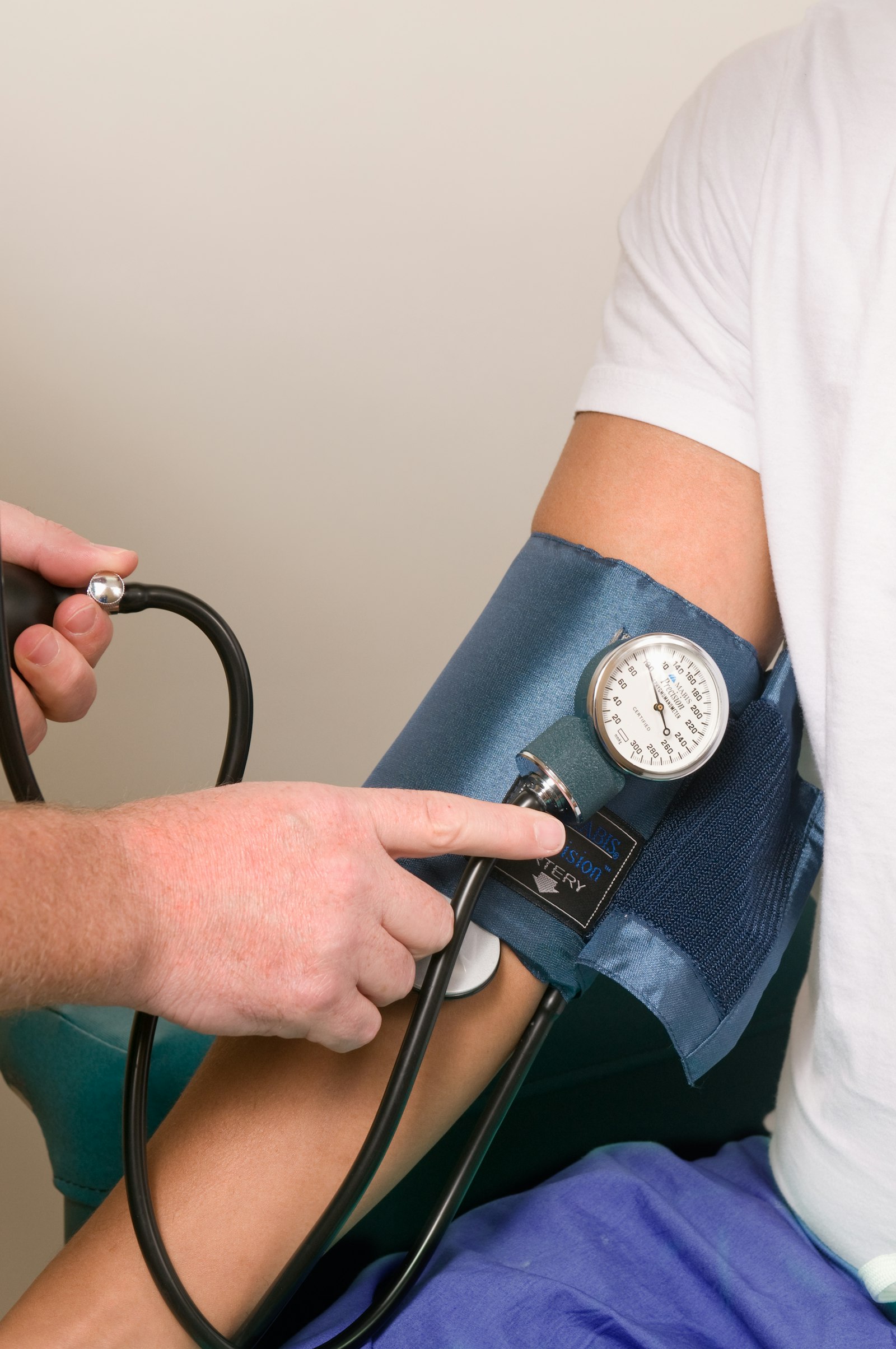
Blood pressure measurement with an upper-arm cuff on a patient

Measuring correctly: how to avoid false readings

Sound familiar? 150 over 95 at the doctor’s office – and 125 over 80 on the couch that evening. So which number is right? The answer: possibly both. Many “high” readings simply come from measuring mistakes or the situation you measure in. For your home readings to mean something, a few key points matter:

  • Settle down first: sit relaxed for five minutes, don’t talk, don’t cross your legs.
  • Get the position right: cuff at heart level, on your bare upper arm, in the right cuff size.
  • No coffee, no nicotine: skip both for at least 30 minutes before you measure.
  • Measure twice: two readings one to two minutes apart – the second one counts.
  • Keep a log: morning and evening for seven days – this record is gold for your doctor’s assessment.

Feel free to bring your log to your appointment. It helps us tell the difference between readings that are high because of the situation and real high blood pressure that needs treatment.

How we check your blood pressure at our practice

Whether it’s unusual home readings, symptoms, or simply wanting peace of mind: at Privatpraxis Lindenthal in Stuttgart, we take the time for a structured heart and circulation check-up – no waiting room marathon, and a recommendation you actually understand. Your appointment includes:

  • A detailed conversation: your symptoms, medical history, medications, family history and daily life – because blood pressure is always partly about lifestyle.
  • A standardized blood pressure measurement: at rest, following current guidelines, on both arms if needed.
  • Listening to your heart and lungs: the physical exam gives clues about possible effects on your heart and circulation.
  • Further testing if needed: a 24-hour blood pressure monitor records your pressure during real daily life and sleep – the gold standard when results are unclear.
  • A clear recommendation: you leave with a plain-language explanation of your numbers and a concrete plan.

Also available online: to go over your home readings, discuss risk factors or review test results, we offer video consultations – from the comfort of home, with the same care as in person.

Lowering your blood pressure: what you can do yourself

If you’re diagnosed with high blood pressure, there’s no need to panic – it’s a good time to act. In many cases, especially with mildly raised readings, consistent lifestyle changes can lower blood pressure noticeably:

  • Regular exercise: endurance activity such as brisk walking, cycling or swimming – ideally 30 minutes on most days of the week.
  • Less salt, more vegetables: a Mediterranean-style diet with plenty of vegetables, fruit and whole grains is proven to lower blood pressure.
  • Lose weight: even a few pounds less can measurably improve your blood pressure.
  • Cut back on alcohol and nicotine: both push up blood pressure and the risk to your blood vessels.
  • Take stress seriously: relaxation techniques, enough sleep and deliberate breaks take the load off your circulation.

If these steps aren’t enough, or your readings are clearly high, well-tolerated medications are available today. They’re chosen for you individually and adjusted step by step. Regular follow-up matters – because well-controlled blood pressure protects your heart, brain and kidneys for life.

“The most dangerous blood pressure numbers are the ones nobody knows. Measuring takes two minutes – and can give you years.”

Daniel Lindenthal, Physician

Frequently asked questions about high blood pressure

How do you know if your blood pressure is too high?
Most of the time, you don’t. High blood pressure often causes no symptoms for years. Possible signs include morning headaches at the back of the head, dizziness, ringing in the ears, nosebleeds, a pounding heart or shortness of breath. The only reliable way to catch it is to measure regularly.
What blood pressure is dangerous?
High blood pressure means repeated readings of 140/90 mmHg or higher at the doctor’s office (about 135/85 mmHg or higher when you measure at home). It becomes an emergency at readings above 180/120 mmHg together with symptoms such as a severe headache, chest pain, shortness of breath or vision problems. In that case, call 112 right away.
What should I do if my blood pressure is too high?
First, have a doctor confirm whether you really have high blood pressure. For mildly raised readings, lifestyle changes are often enough: more exercise, less salt, losing weight, less alcohol and nicotine, and better ways of handling stress. If that isn’t enough, well-tolerated medications are available.
Can high blood pressure go back to normal?
Yes, especially in the early stages. If you lose weight, exercise regularly and cut down on risk factors, you can often lower your numbers a lot – sometimes back into the normal range. Regular check-ups matter, though: without lasting changes, the numbers usually creep back up.
Where can I get my blood pressure checked in Stuttgart?
At Privatpraxis Lindenthal on Rotebühlplatz in Stuttgart, we check high blood pressure step by step: a detailed conversation, a standardized measurement, listening to your heart and lungs, and a clear recommendation. Same-day appointments are usually available, and we also offer video consultations.

Sources

  1. McEvoy JW et al.: 2024 ESC Guidelines for the management of elevated blood pressure and hypertension. European Heart Journal. escardio.org/Guidelines
  2. German Hypertension League (Deutsche Hochdruckliga e. V. DHL): Patient information on high blood pressure, measurement and treatment. hochdruckliga.de
  3. Robert Koch Institute: Health monitoring – Prevalence of hypertension in Germany. rki.de
This article is for general information only. It does not replace personal medical advice, diagnosis or treatment. If you have symptoms, please contact the practice directly.
Daniel Lindenthal
Daniel Lindenthal

Physician and founder of Privatpraxis Lindenthal in Stuttgart. His standard: fair, transparent care that treats you as an equal.

Book an appointment

Ready for the next step?

Book your appointment now – honest advice and plenty of time for your questions.

Book an appointment