
A brief pause, then a strong thump, as if your heart stumbled and then "caught up" – and right away the worry sets in: is something wrong with my heart? The reassuring news first: almost everyone has felt a skipped beat, and in the vast majority of cases, harmless extra beats are behind it. Still, there are situations where you should get it checked. Here you'll learn how to tell the difference.
Key takeaways
- Palpitations are usually caused by extrasystoles – extra heartbeats that fall outside the normal rhythm.
- Extrasystoles are extremely common and, in people with a healthy heart, almost always harmless.
- Typical amplifiers: stress, lack of sleep, caffeine, alcohol, nicotine – and an overactive thyroid.
- Get it checked if the skipping becomes more frequent, comes with other symptoms, or you have a known heart condition.
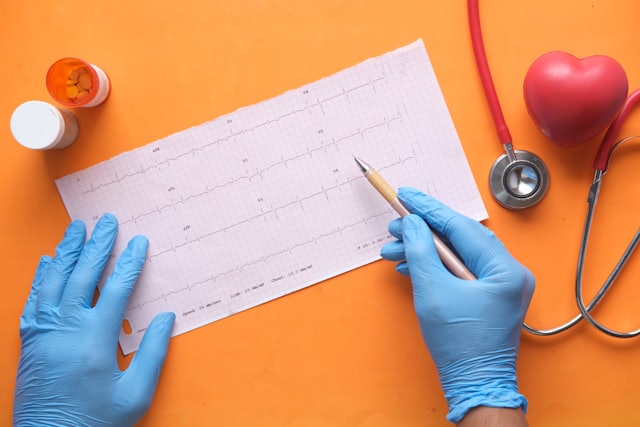
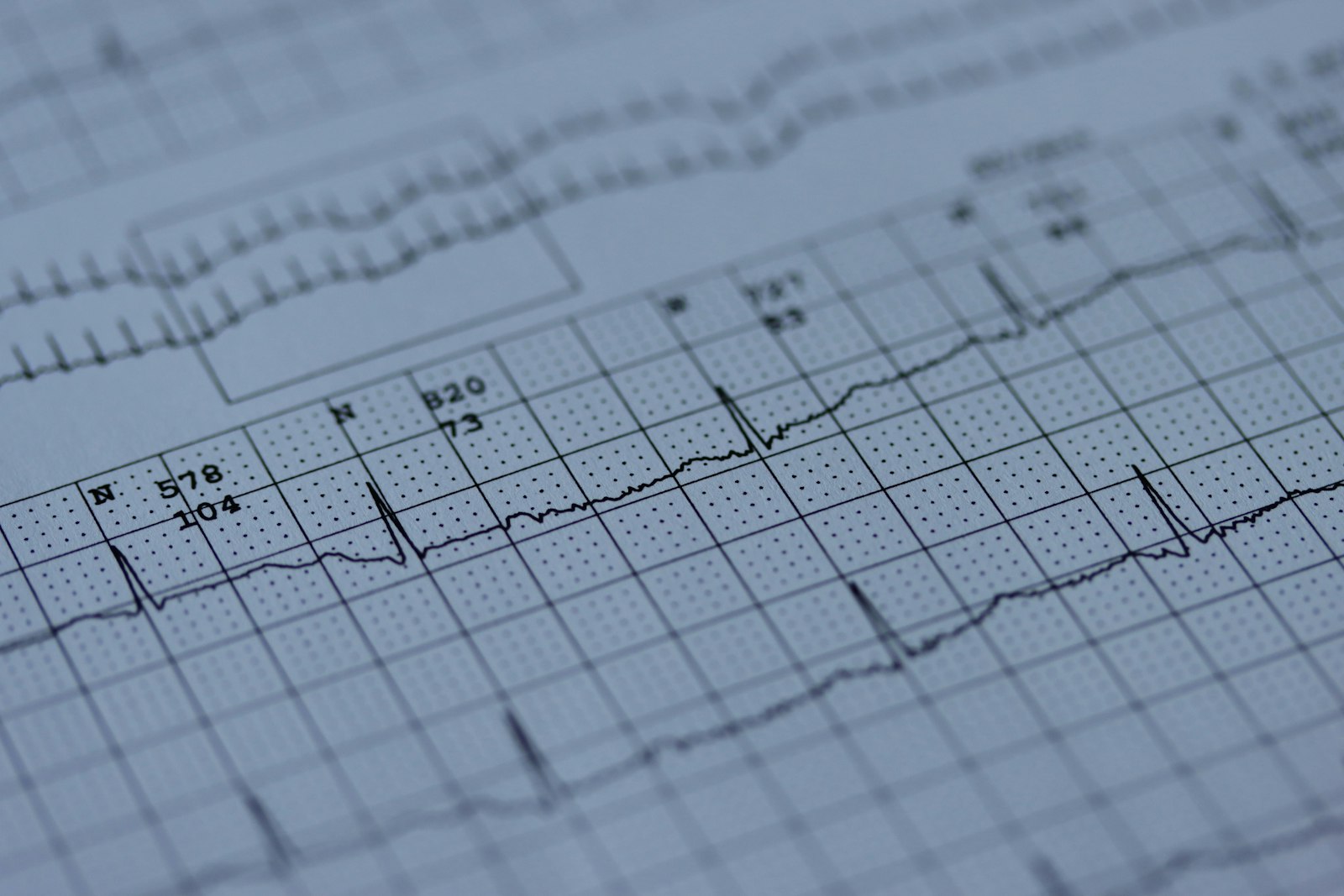
- The first diagnostic step is simple: a conversation, a physical exam and a resting EKG.
What happens when your heart skips a beat?
Your heartbeat is normally set by the sinus node, the heart's natural pacemaker. Every now and then, though, another spot in the heart fires an impulse in between – producing an early extra beat, the extrasystole. Because a small pause follows and the heart fills up more, the next beat feels especially forceful. That exact sequence – skip, pause, "thump" – is what we feel as a stumble or flutter.
Here's the interesting part: extrasystoles happen all the time in perfectly healthy hearts – we simply don't notice most of them. Whether and how strongly you feel them depends a lot on tension and attention. They stand out most in quiet moments, like lying in bed at night – not because the heart is any sicker then, but because there's nothing to distract you.
Common triggers and amplifiers
- Stress and lack of sleep: an activated nervous system makes the heart more "irritable" – episodes of skipping pile up during stressful times.
- Caffeine, alcohol and nicotine: classic triggers; alcohol in the evening in particular can bring on skipping and a racing heart at night.
- Overactive thyroid: too much thyroid hormone drives the heart – which is why checking your TSH level is part of the exam.
- Electrolyte balance: shifts in potassium and magnesium – for example after a stomach bug or while taking water pills (diuretics) – encourage extra beats.
- Infections and fever: even a minor infection can temporarily throw the heart off its rhythm.
Reassuring to know: if the heart is structurally healthy, even frequent extrasystoles are generally considered benign. So the key question in the exam isn't "Do I have extra beats?" – almost everyone does – but "Is my heart healthy?"
Palpitations are usually harmless. But call for help immediately if the skipping comes with any of these:
- Chest pain or tightness, possibly spreading to your arm, back or jaw
- Sudden shortness of breath or a cold sweat
- Dizziness with near-fainting, or actually passing out
- A very fast, irregular heartbeat that doesn't stop
These can be signs of an emergency:
Call 112 (emergency)