

Suddenly the room spins, the floor sways like the deck of a ship, or a vague lightheaded feeling hangs over your whole day – dizziness is one of the most common and, at the same time, most unsettling symptoms there is. The good news: in most cases there’s a harmless cause behind it that can be treated in a targeted way. What matters most is describing the type of dizziness precisely – because that points the way to the cause.
Key takeaways
- The type of dizziness is the most important clue: spinning (vertigo), unsteadiness and lightheadedness have different causes.
- Benign positional vertigo is the most common cause of brief spinning attacks – and easy to treat with simple maneuvers.
- Circulation, blood pressure and medications are common triggers of lightheadedness and vision going black.
- Sudden dizziness with weakness, trouble speaking or trouble seeing is an emergency.
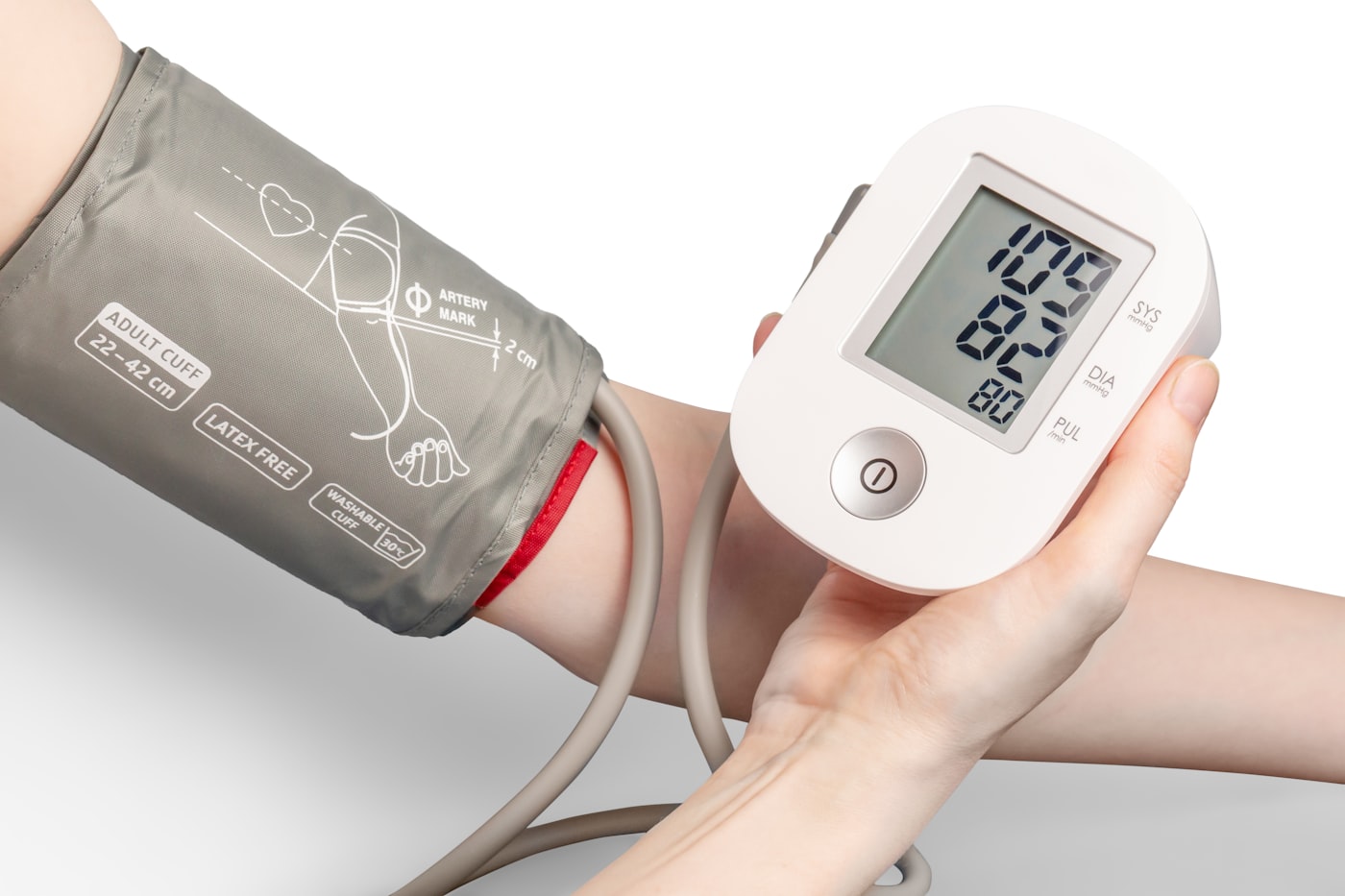
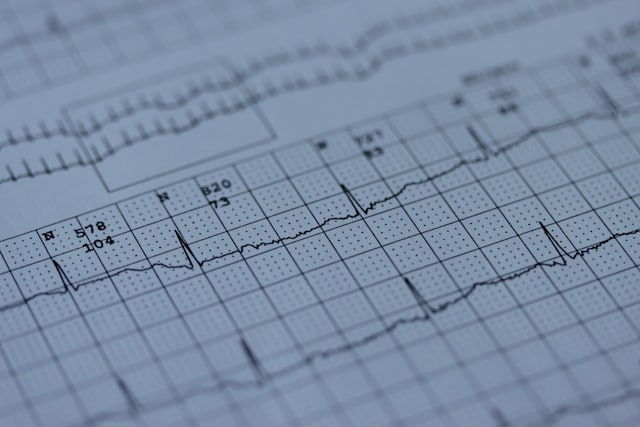
- The basic exam – conversation, exam, blood pressure, EKG – often already brings clarity.
Which type of dizziness do you have?
- Spinning dizziness (“merry-go-round”): the room spins around you – typical of problems with the balance organ in the inner ear, such as benign positional vertigo with certain head movements.
- Unsteadiness (“ship’s deck”): you feel unsteady standing and walking – common with ongoing balance disorders, and also with stress-related dizziness.
- Lightheadedness (“wrapped in cotton”): a vague feeling of emptiness in your head – often circulation-related, from low blood pressure, medications, dehydration or low blood sugar.
- Vision going black when you stand up: a brief drop in blood flow to the brain when you change position – usually harmless, but annoying.
The most common causes
- Benign positional vertigo: tiny crystals in the balance organ drift into the wrong canal – short, intense spinning attacks when you turn over in bed or bend down. Targeted repositioning maneuvers often fix it in a few sessions.
- Circulation and blood pressure: blood pressure that’s too low or swings a lot makes you dizzy – and so do heart rhythm problems.
- Medications: blood pressure drugs, sedatives and sleeping pills are among the most commonly overlooked triggers, especially in combination.
- Inner ear disorders: from vestibular neuritis (sudden, constant spinning for days) to Ménière’s disease (attacks with ringing in the ear and hearing loss).
- Muscle tension and stress: your neck and your mind play a part, too – ongoing unsteadiness with no physical finding is often linked to stress.
When to act right away
Most types of dizziness are harmless. But call emergency services right away if dizziness comes with any of these signs:
- Weakness or paralysis, numbness, or a drooping corner of the mouth
- Trouble speaking, swallowing or seeing (e.g., double vision)
- An extremely severe headache that starts out of nowhere
- Loss of consciousness or repeated falls
These can be signs of a stroke:
Call 112 (emergency)