Skip to content
Heart & Circulation

Low Blood Pressure: Annoying, Usually Harmless – but Not Always

Updated: 08/13/2026·7 min read·Medically reviewed
Daniel Lindenthal
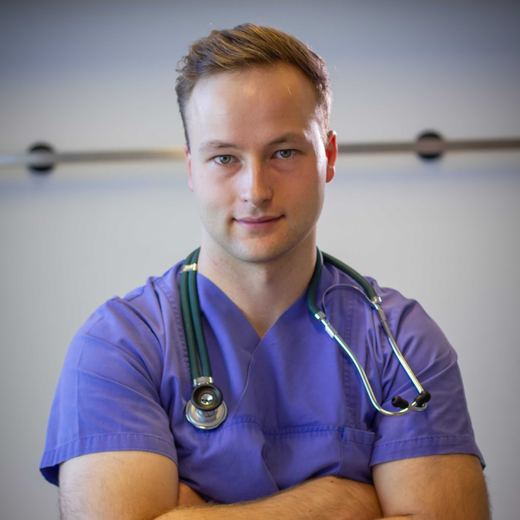
Daniel LindenthalPhysician · Private practice Stuttgart
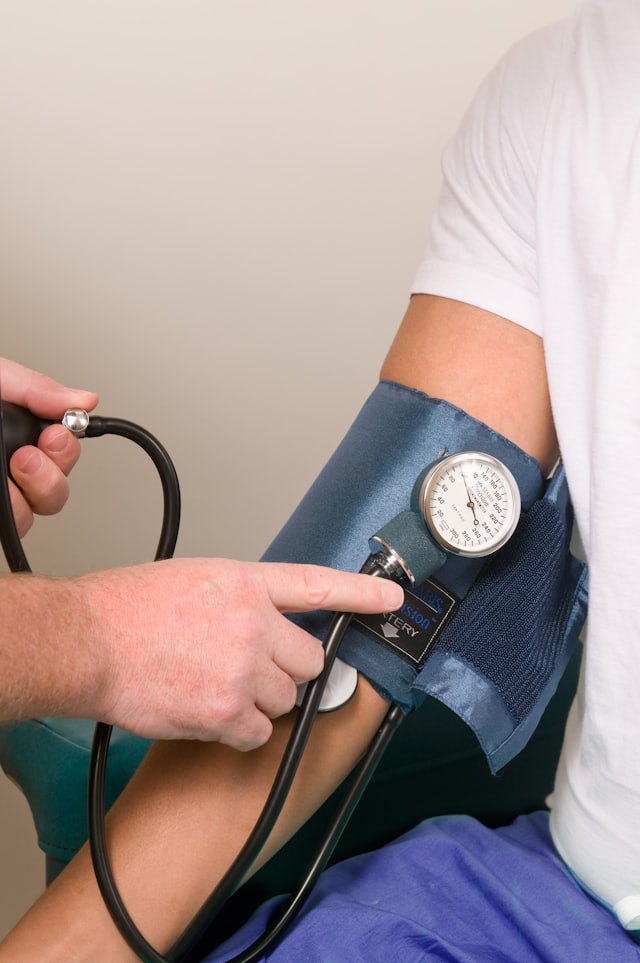
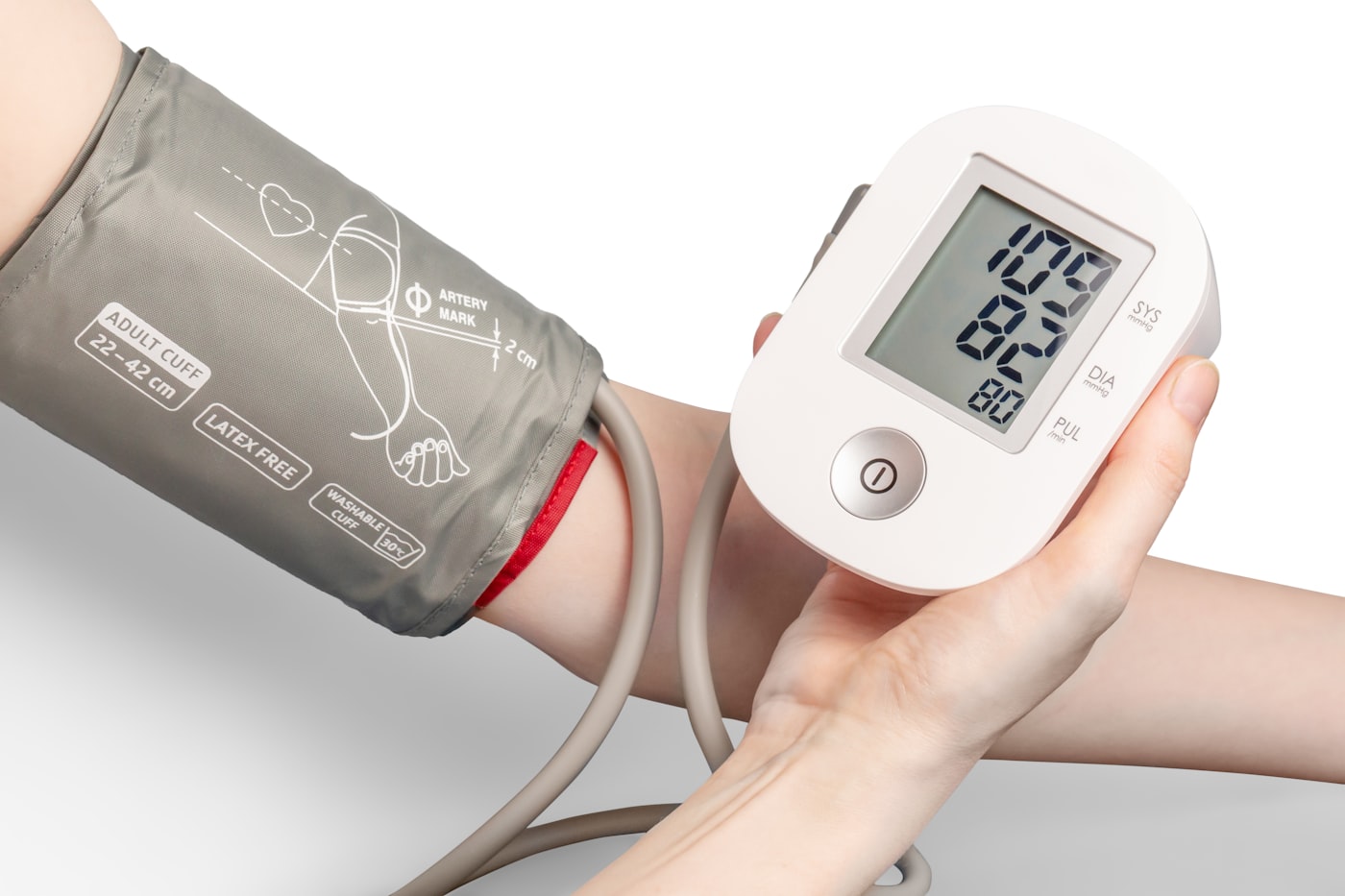
Blood pressure measurement on a patient – low readings are usually harmless but should be put in context

Your vision goes black for a moment when you stand up quickly, mornings are a slow start, and in summer your circulation feels like it's running in slow motion? While high blood pressure damages your blood vessels, low blood pressure (hypotension) usually isn't a disease at all – but it can really slow down your day. And in certain situations, it deserves a closer look, too. Here you'll learn when low blood pressure is harmless, what actually helps and when you should get it checked.

Key takeaways

  • Low blood pressure roughly means readings below 100–110 over 60 mmHg – many people live with it and feel fine.
  • Typical symptoms: dizziness when standing up, vision going black, fatigue, cold hands and feet, trouble concentrating.
  • Unlike high blood pressure, low blood pressure doesn't damage your blood vessels – we treat the symptoms, not the number.
  • Pay attention if low blood pressure is new, if you faint, or if medications could be involved.
  • Simple steps – drinking enough, exercise, alternating hot and cold showers, standing up slowly – noticeably help most people.

What counts as "too low" – and is that bad?

Unlike high blood pressure, there's no hard cutoff that makes low blood pressure a disease. As a guide, readings below about 100–110 over 60 mmHg count as low – but what matters isn't the number, it's whether it causes symptoms. Many slim, young and athletic people naturally have low readings and feel great. From a blood-vessel point of view, that's actually a plus: low pressure doesn't wear your arteries down.

It gets annoying when your brain briefly doesn't get enough blood flow as you change position – for example when you stand up quickly (orthostatic hypotension). The room spins, your vision flickers, and sometimes you feel close to fainting. Unpleasant, but in most cases easy to manage.

Typical symptoms

  • Dizziness and vision going black: especially when getting up from sitting or lying down, after standing for a long time, or in warm rooms.
  • Slow starts in the morning: your circulation takes a long time to get going.
  • Fatigue and trouble concentrating: your brain is running on low power – especially in the heat.
  • Cold hands and feet: your body pulls blood toward the vital organs.
  • Pounding heart when you stand up: your heart makes up for the drop in pressure by beating faster.

When you should take a closer look

The most common form is constitutional (essential) hypotension – harmless, and more a body type than a disease. You should take a closer look when low blood pressure is new or gets noticeably worse. Possible reasons then include: not enough fluids, infections, blood pressure or water pills at too high a dose, heart disease, an underactive thyroid, or problems with the autonomic nervous system. Actual fainting spells (syncope) should always be looked at by a doctor – the key question there is whether the heart is involved.

When you need to act right away

Low blood pressure is rarely an emergency – but in these situations it is. Call for help immediately if you have:

  • Fainting that causes an injury, comes without warning, or happens during physical exertion
  • Loss of consciousness together with chest pain, a racing heart or shortness of breath
  • A drop in blood pressure with signs of a severe infection or after heavy fluid loss

These can be signs of an emergency:

Call 112 (emergency)
Circulation running on empty?

We'll find out whether your low blood pressure is harmless – with a thorough exam in central Stuttgart.

Book an appointment

What really helps: self-help with an immediate effect

  • Drink enough: about 2 liters (roughly 8 cups) a day – fluid is the simplest "circulation medicine." More when it's hot.
  • Stand up slowly: first sit on the edge of the bed, circle your feet, then get up – that gives your circulation time to adjust.
  • Activate your muscle pump: when standing for a long time, rise onto your toes, cross your legs and tense your muscles – that pushes blood back toward your heart.
  • Regular exercise: endurance training stabilizes your circulation for the long run – the most effective long-term lever.
  • Alternating hot and cold showers: switching between cold and warm trains your blood vessels to adjust faster.
  • Small, frequent meals: big meals pull blood into your digestive tract – afterwards, your circulation likes to sag.
  • A little more salt – within reason: if low blood pressure is confirmed and you have no heart disease, moderately more salt can help; when in doubt, discuss it with us.
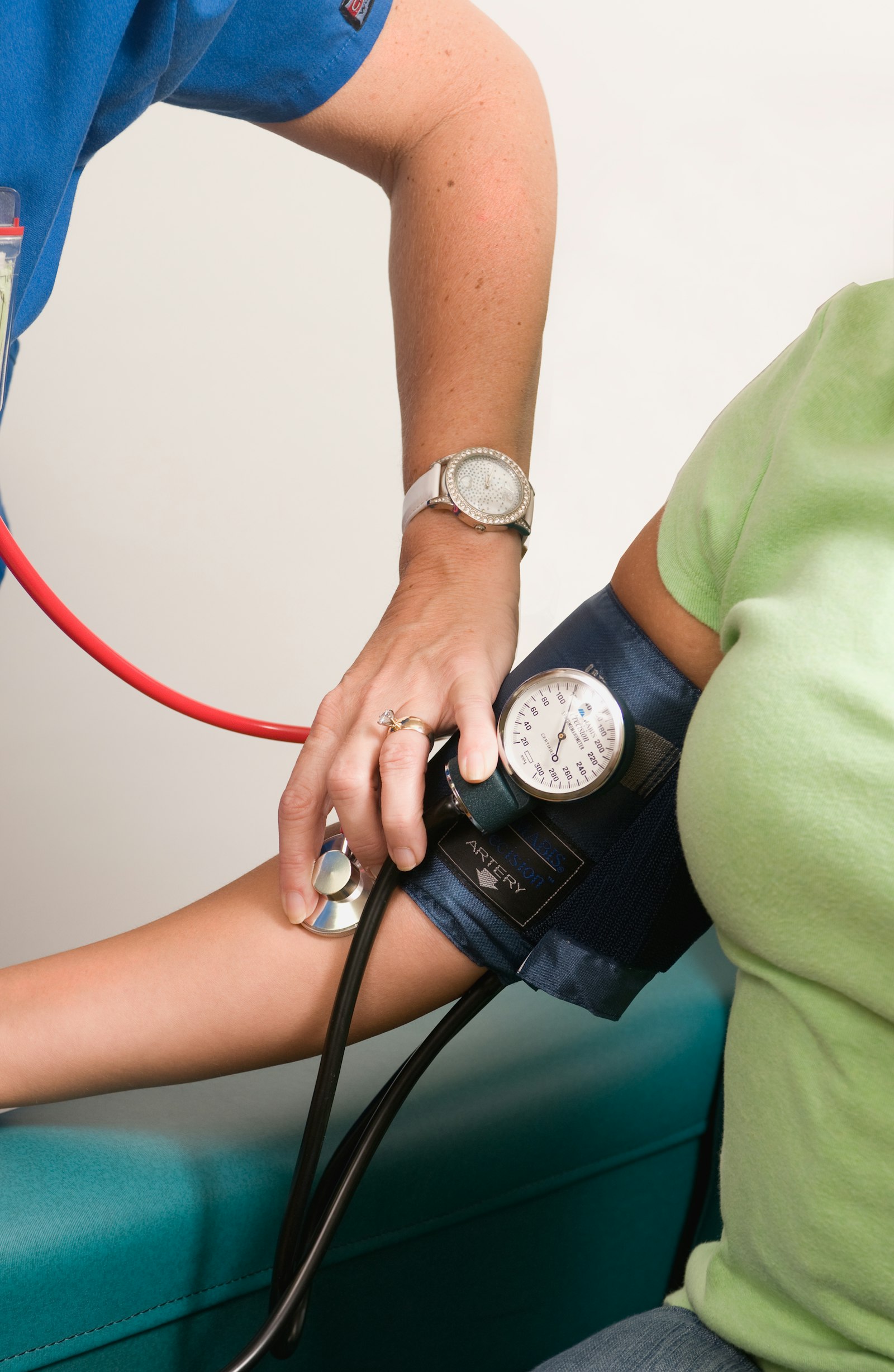
Home measurements help match your symptoms to your readings

How we check low blood pressure at our practice

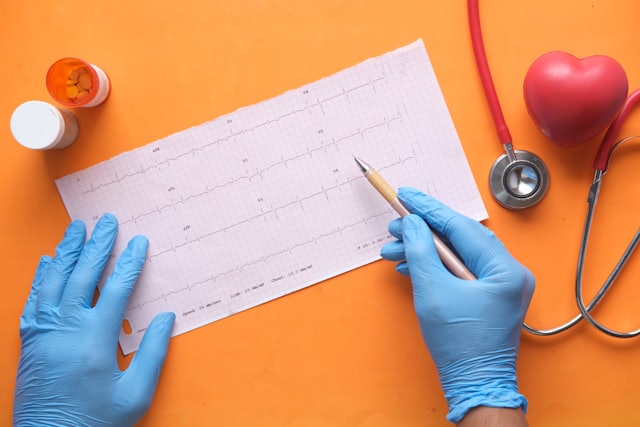
At Privatpraxis Lindenthal on Rotebühlplatz in Stuttgart, we work step by step through the question of whether your low blood pressure is your body type or a symptom: with a detailed conversation (symptoms, fainting, medications), blood pressure readings lying down and after standing up (an orthostatic test), a physical exam including your heart, thyroid and leg veins, and a resting EKG. We're happy to include any lab results you already have. In the end, you'll know whether you're in the clear – and you'll get a concrete plan against the symptoms.

"High blood pressure does its damage quietly; low blood pressure is loudly annoying. The first has to be treated. The second may be – when the symptoms call for it."

Daniel Lindenthal, Physician

Frequently asked questions about low blood pressure

What readings count as low blood pressure?
As a rough guide, readings below about 100–110 over 60 mmHg count as low. But what matters isn't the number – it's whether you have symptoms. Many people live with low readings and feel completely fine; in that case, no treatment is needed.
Is low blood pressure dangerous?
Usually not – unlike high blood pressure, it doesn't damage your blood vessels. You should get it checked if it's new, if you faint, if medications could be the cause, or if warning signs such as chest pain or a racing heart come with it.
What helps quickly with low blood pressure?
Right away: a big glass of water, sitting or lying down with your legs raised, tensing your muscles, and standing up slowly. Long term, regular endurance exercise, drinking enough, alternating hot and cold showers, and small, frequent meals keep your circulation steady.
Why does my vision go black when I stand up?
When you stand up, some of your blood briefly pools in your legs. If your circulation adjusts too slowly, your brain gets too little blood for a few seconds – your vision flickers or goes black (orthostatic hypotension). Usually harmless; with frequent episodes or actual fainting, a doctor should look into the cause.
Where can I get low blood pressure checked in Stuttgart?
At Privatpraxis Lindenthal on Rotebühlplatz in central Stuttgart, we check low blood pressure step by step – with readings lying down and standing up, a physical exam including heart and thyroid, and a resting EKG. Same-day appointments are available.

Sources

  1. Institute for Quality and Efficiency in Health Care (IQWiG): gesundheitsinformation.de – Low blood pressure (in German). gesundheitsinformation.de
  2. German Hypertension League (Deutsche Hochdruckliga): information on blood pressure and circulation (in German). hochdruckliga.de
  3. European Society of Cardiology (ESC): guidelines on syncope (fainting). escardio.org/Guidelines
This article is for general information only. It does not replace personal medical advice, diagnosis or treatment. If you have symptoms, please contact the practice directly.
Daniel Lindenthal
Daniel Lindenthal

Physician and founder of Privatpraxis Lindenthal in Stuttgart. His promise: fair, transparent care – and a conversation at eye level.

Book an appointment

Ready for the next step?

Book your appointment now – honest advice and plenty of time for your questions.

Book an appointment