

"Your blood pressure is a little high." – That sentence doesn't automatically mean pills. Especially when your readings are only mildly elevated, lifestyle is the first and often surprisingly effective treatment: single changes can lower blood pressure by amounts that rival medication. The trick is knowing which levers to pull – and staying realistic. Here are the eight most effective ones, with an honest look at what each can do.
Key takeaways
- For mildly elevated readings, lifestyle changes are the first treatment – and they go along with any medication.
- The strongest levers: less salt, a healthier weight, endurance exercise, less alcohol.
- Realistically, each step is worth about 4 to 10 mmHg – combined, that adds up noticeably.
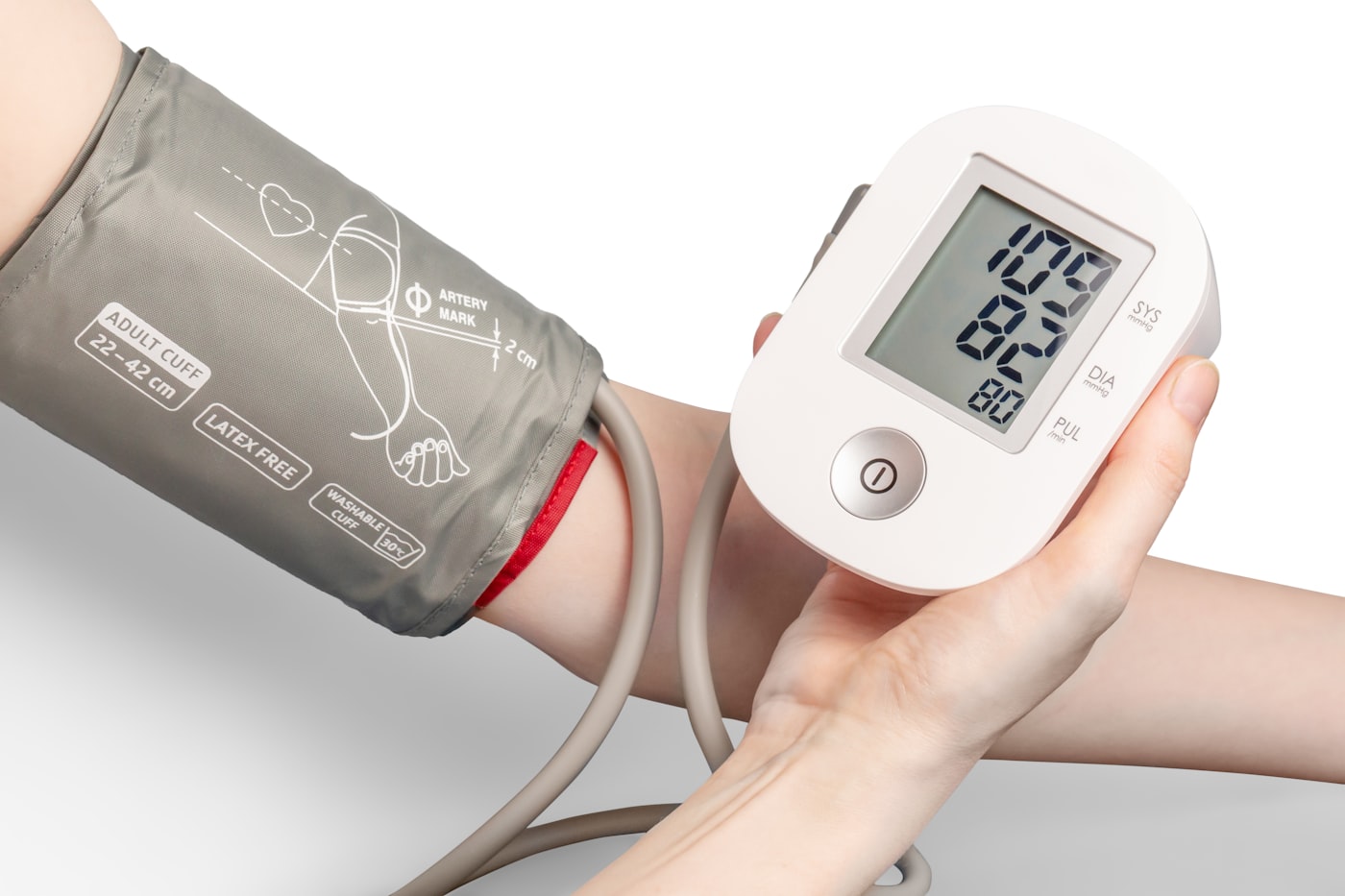
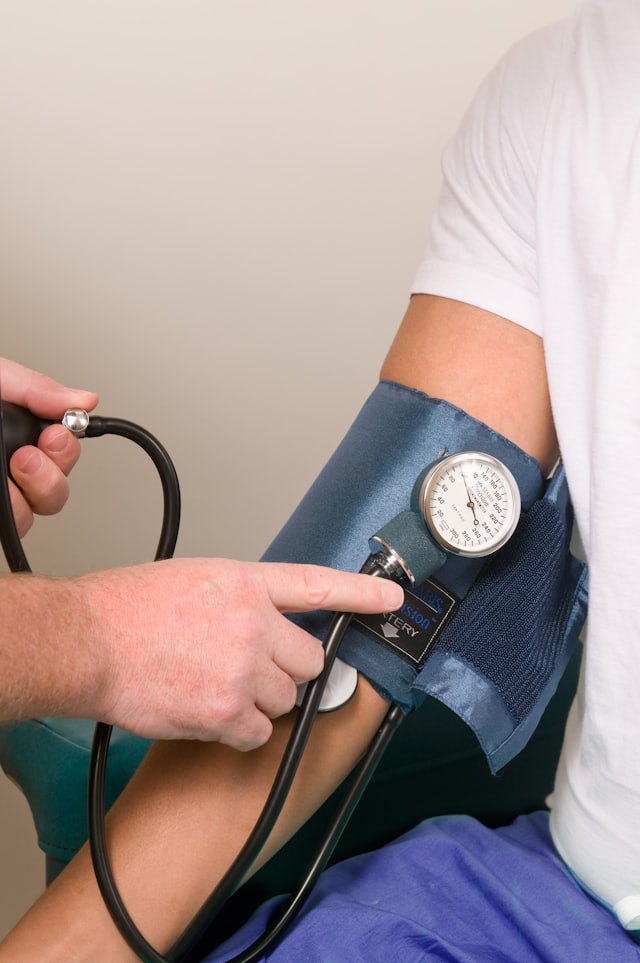
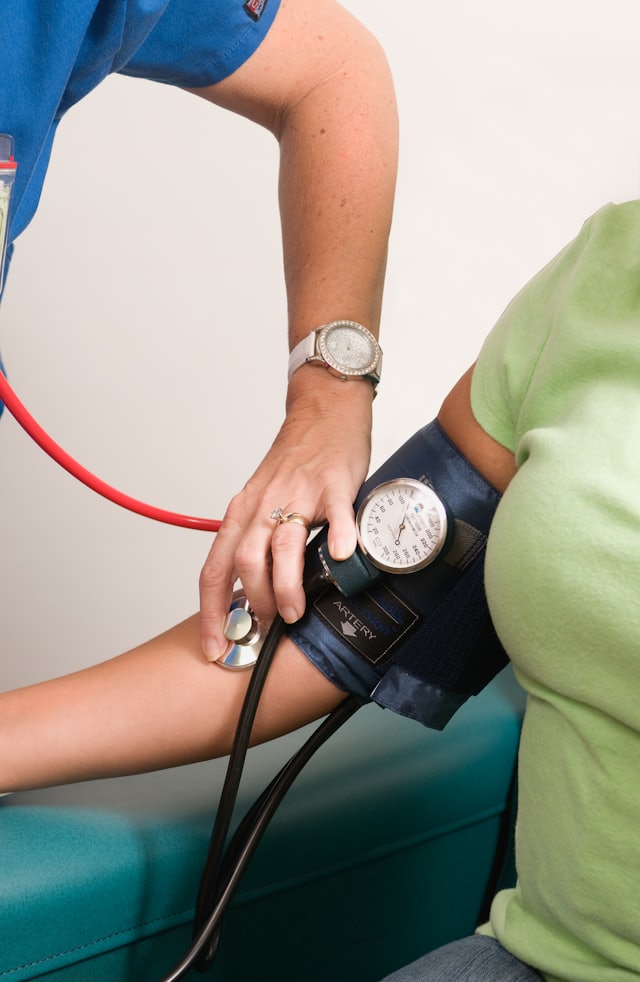
- Monitoring matters: only regular measurements show whether the changes are enough.
- If your readings are clearly elevated, lifestyle changes don't replace medical treatment – they add to it.
The 8 most effective levers
- 1. Less salt: bringing your daily salt intake below 5–6 grams can lower blood pressure by about 5 mmHg. The biggest sources of salt aren't the shaker, but bread, cold cuts, cheese and ready-made meals.
- 2. A healthier weight: for every kilogram (about 2 lbs) you lose, blood pressure drops by roughly 1 mmHg on average. So even 5 kilos (about 11 lbs) make a measurable difference.
- 3. Regular endurance exercise: about 30 minutes of moderate activity on most days – brisk walking, cycling, swimming – lowers blood pressure by 5 to 8 mmHg. Stuttgart's hilly basin throws in the elevation for free.
- 4. Less alcohol: alcohol reliably pushes blood pressure up. Cut back significantly and you quickly win back a few mmHg.
- 5. Eat blood-pressure-friendly: plenty of vegetables, fruit, legumes, whole grains and good oils, little processed meat – eating patterns like the Mediterranean or DASH diet are among the best-studied measures there are.
- 6. Quit smoking: every cigarette raises your pressure acutely and damages your blood vessels over the long term – quitting is the biggest gift you can give your arteries.
- 7. Manage stress: chronic tension keeps your pressure up. Relaxation techniques, breaks and enough sleep work – more slowly, but they last.
- 8. Take sleep seriously: poor or too little sleep and untreated snoring with pauses in breathing (sleep apnea) are underrated drivers of high blood pressure.
An honest take: none of these steps works overnight, and none replaces medical treatment if your readings are clearly elevated. But combined, many people with mildly elevated blood pressure get back to their target range – and those already on medication often get by with a lower dose. Never change your medication on your own, though.